
The Oceanarium is home to 14,000 marine creatures from around 277 species, all indigenous to the Philippines and Southeast Asia. Its sheer size and diversity makes it one of the world’s best public aquariums. The Oceanarium is a stunning walkthrough of the watery depths featuring seven sections and containing 3,000 cubic meters of seawater. At the heart of a 55-meter journey inside the Oceanarium is the main attraction – a 220° curved walkway tunnel with a spectacular underwater view of amazing sea creatures swimming overhead. The water source for the Oceanarium is filtered water from Manila Bay. A special process is done to ensure that the seawater is suitable to marine life. It has an educational activity area, unique function rooms for special events and bi-level shark and stingray viewing facilities. The Manila Ocean Park is an oceanarium inManila, Philippines. It is owned by China Oceanis Philippines Inc., a subsidiary of China Oceanis Inc., a Singaporean-registered firm. It is located behind the Quirino Grandstand at Rizal Park.
Fresh water
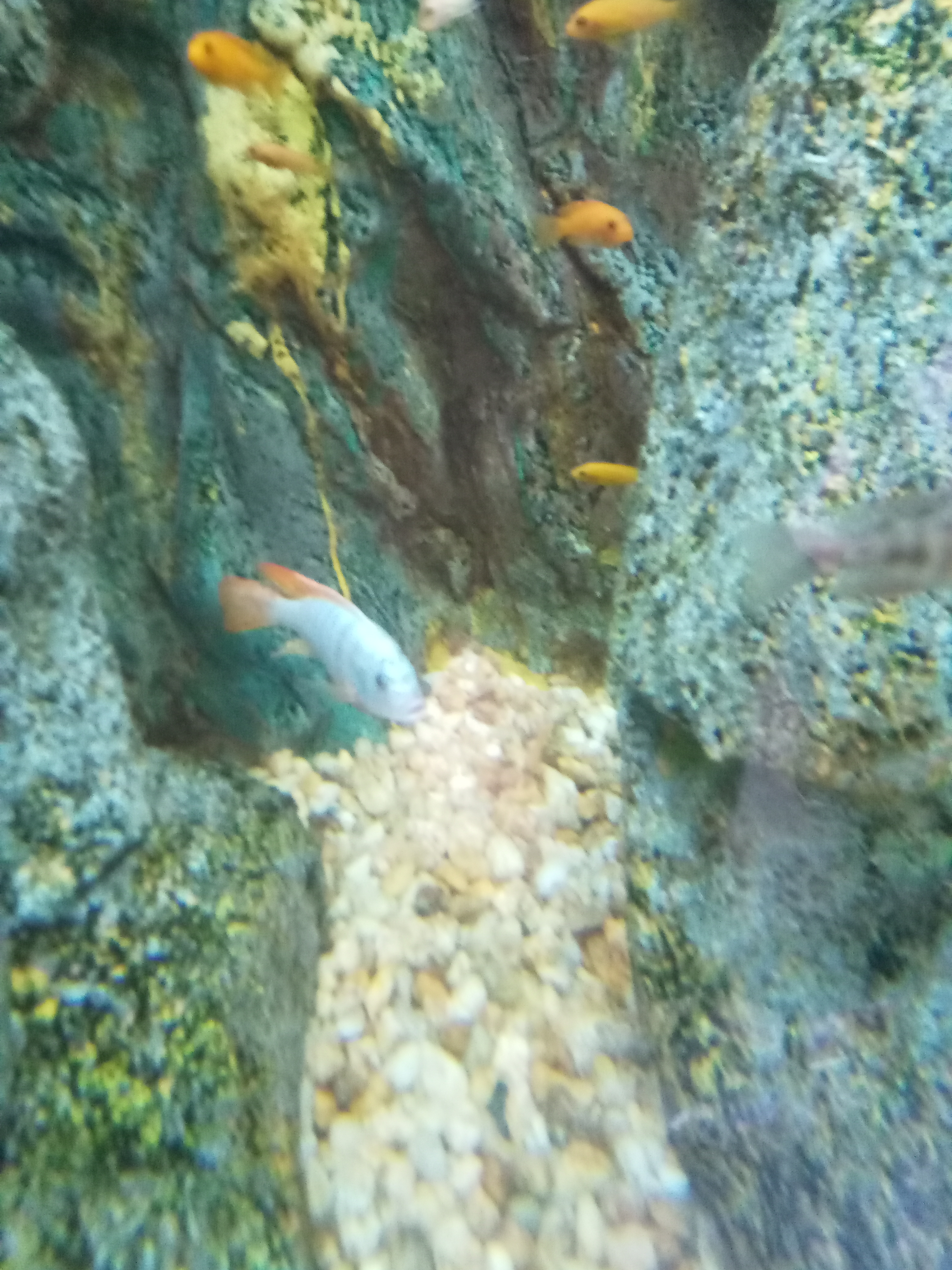
Cichlids are mostly found in the rift lakes in Africa. Mostly cichlids have a classical fish-shaped body design and they come in a rainbow of colors.
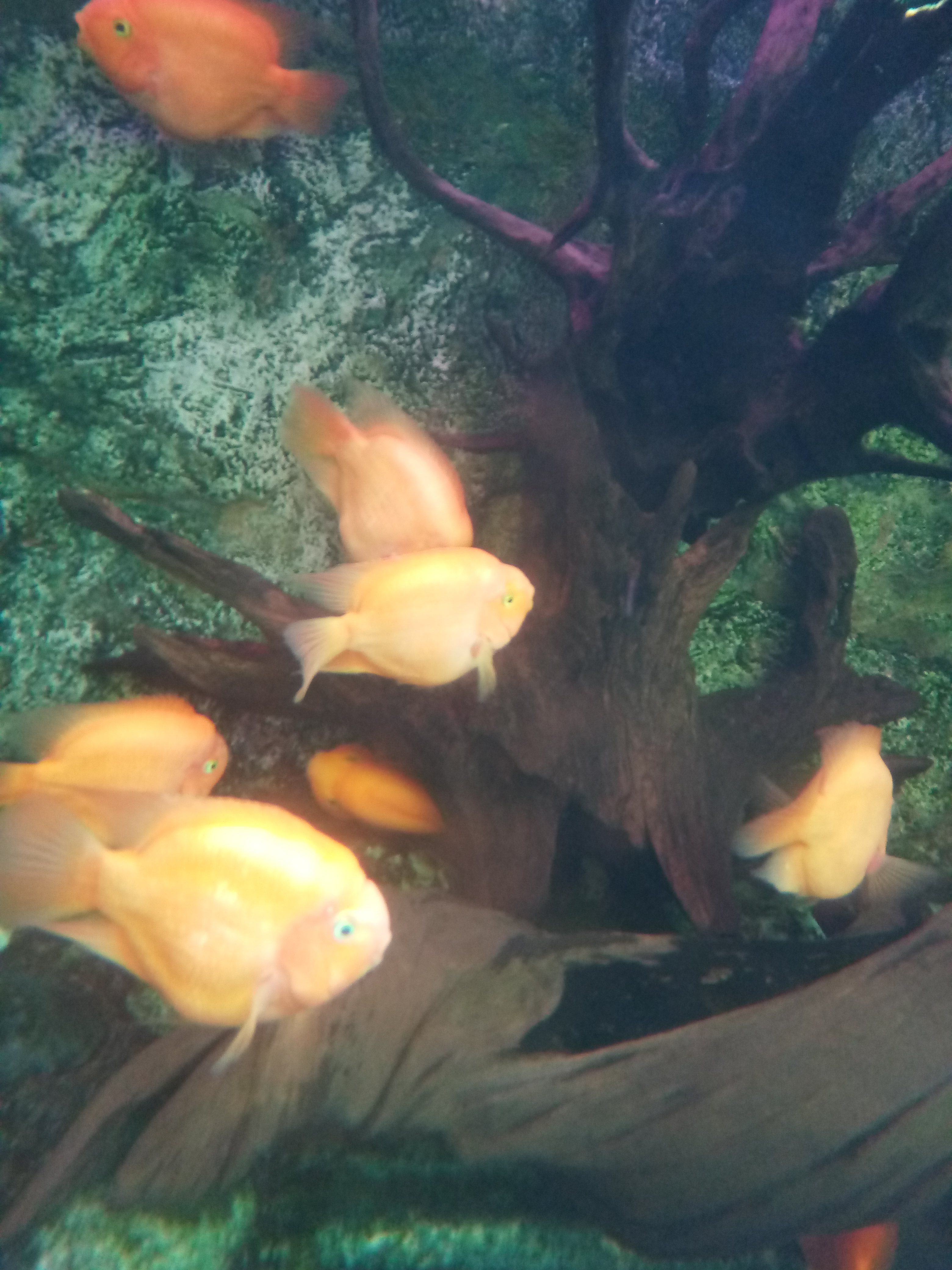
The blood parrot cichlid have a balloo-shaped body and avery small mouth. Perhaps they are called parrotfish because their nose looks like a parrots’ beak.
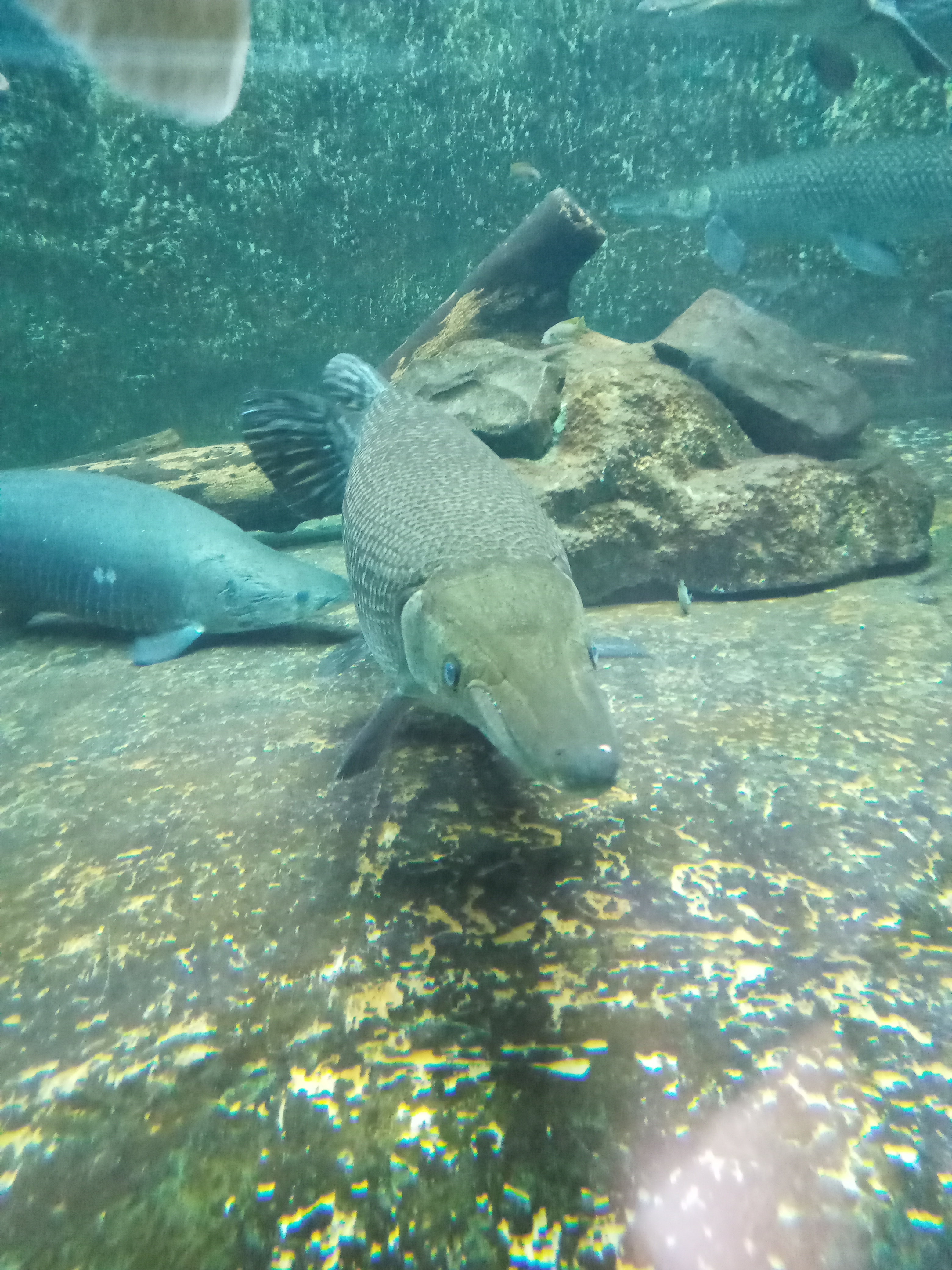
The Alligator Gar has a unique appearance and falls into the category of a ray-finned species. They are the only species of gar that has a row of a very sharp teeth that are in the upper jaw region, giving their mouth the appearance of an alligator where the name was derived from.
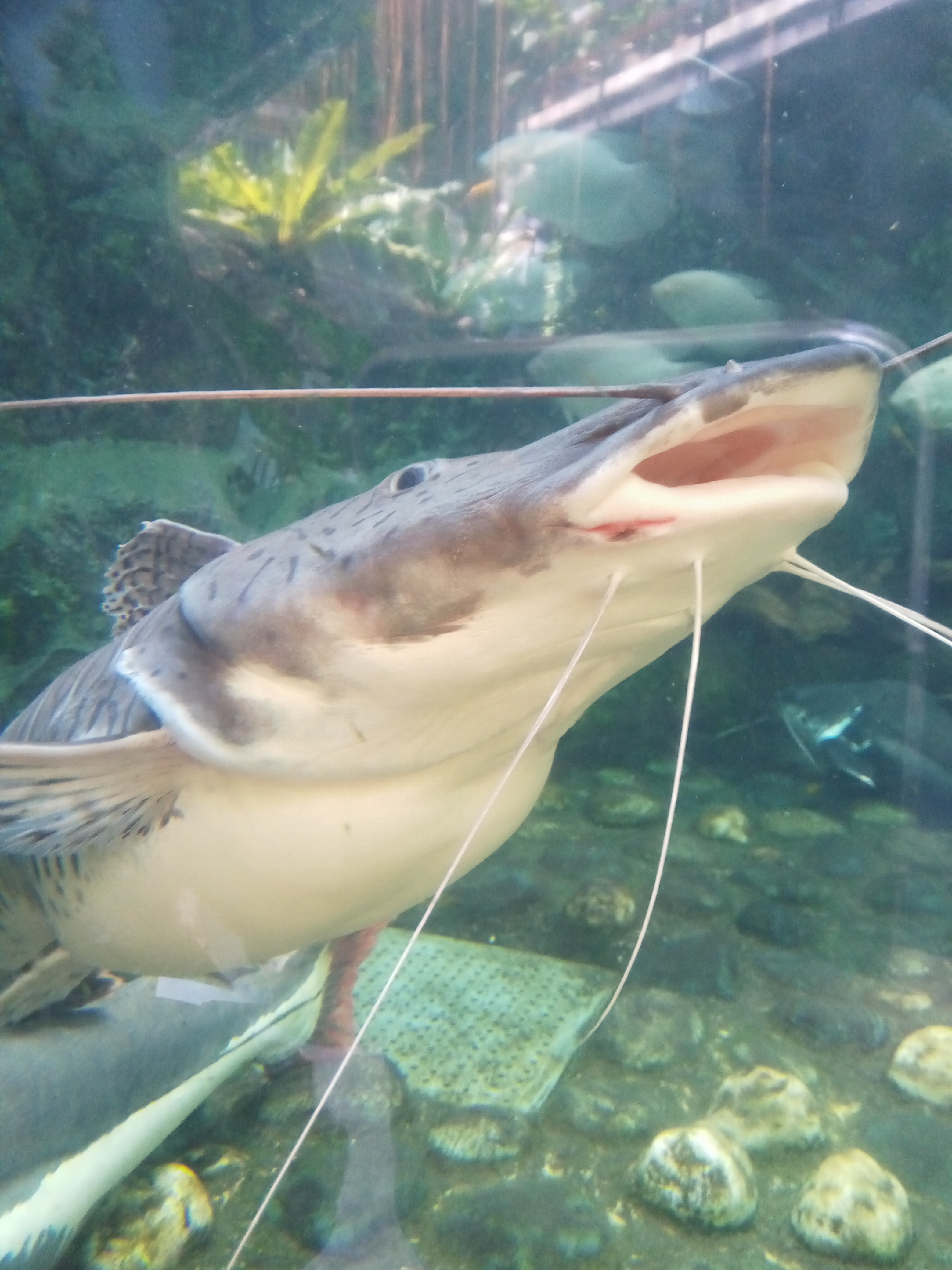
Catfish belongs to the group of ray-finned fish. They inhabit freshwater ecosystems such as rivers and streams . Some species of catfish are adapted to the life in saltwater and caves.
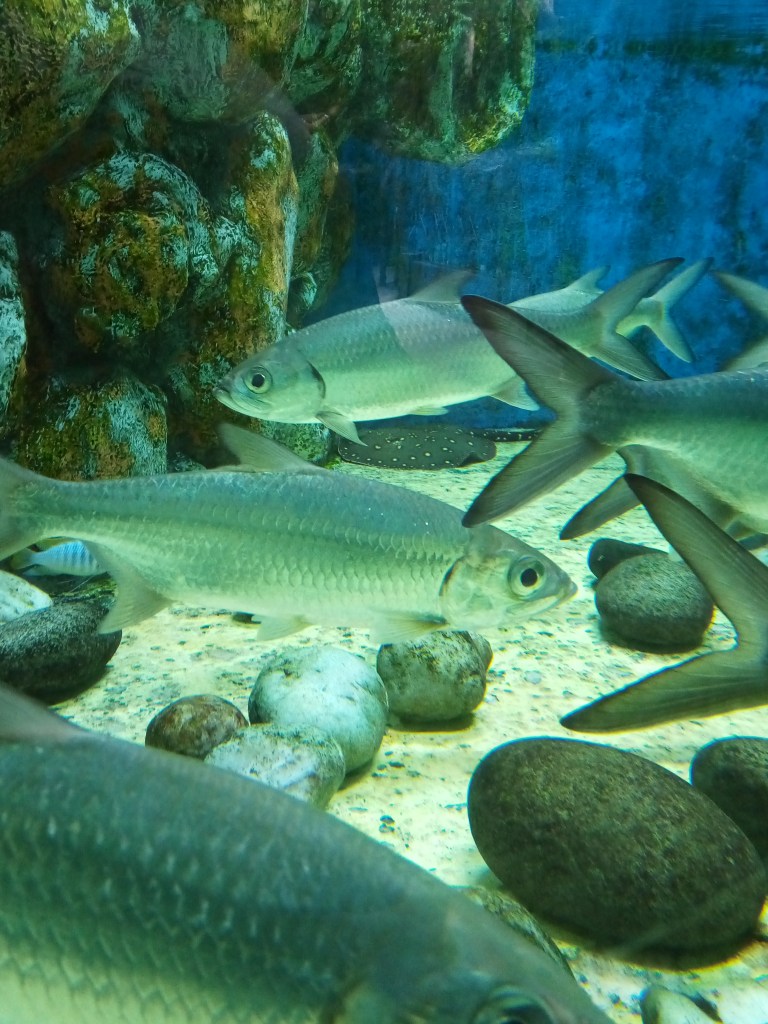
The Indo-Pacific tarpon is a widely distributed species that inhabits both fresh and marine environments throughout its range. More often, they are found in estuaries or close to river mouths where they frequently travel in and out of fresh water depending on the tides (amphidromous). Specimens have been confirmed as far inland as Lake Malawi, Tanzania, Africa.
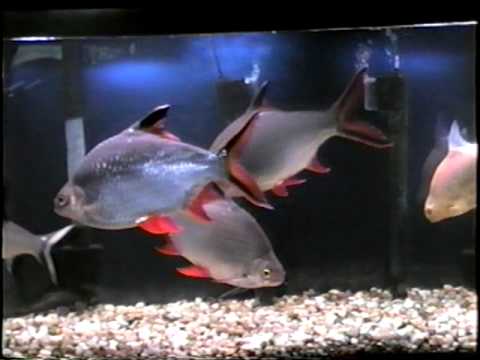
The Tinfoil Barb has large, distinct silvery metallic scales, red-tipped fins, and a forked tail characteristic of a fast-swimming fish. The shimmering silver scales of this active swimmer reflect light as the Tinfoil Barb maneuvers its way in the aquarium. It is not difficult to see why this eye-catching, tinfoil-like attribute gave rise to the common name of Barbus schwanefeldi.The Tinfoil Barb is a very hardy fish and compared to other barbs, quite docile in nature. This peaceful demeanor and glittery body make the Tinfoil Barb an attractive addition to the large community aquarium. As a schooling fish, the Tinfoil Barb should be kept in a group of at least 6 or more individuals with other non-aggressive large fish.
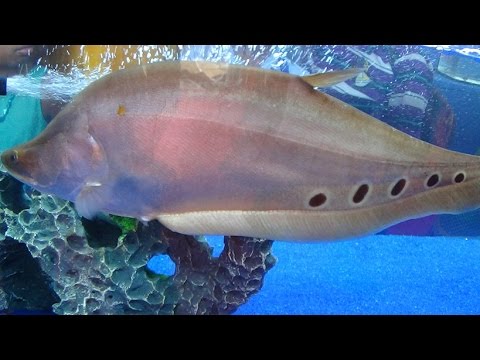
The clown fish is a fresh water fish indigenous to tropical regions of Asia in river basins and lakes of Indochina, Thailand , Laos, Vietnam, Cambodia. They have a long, narrow body that reaches about 40 inches in length in adulthood. it is silver in color, and has several circular marking on its mid-body that become more define as it matures.
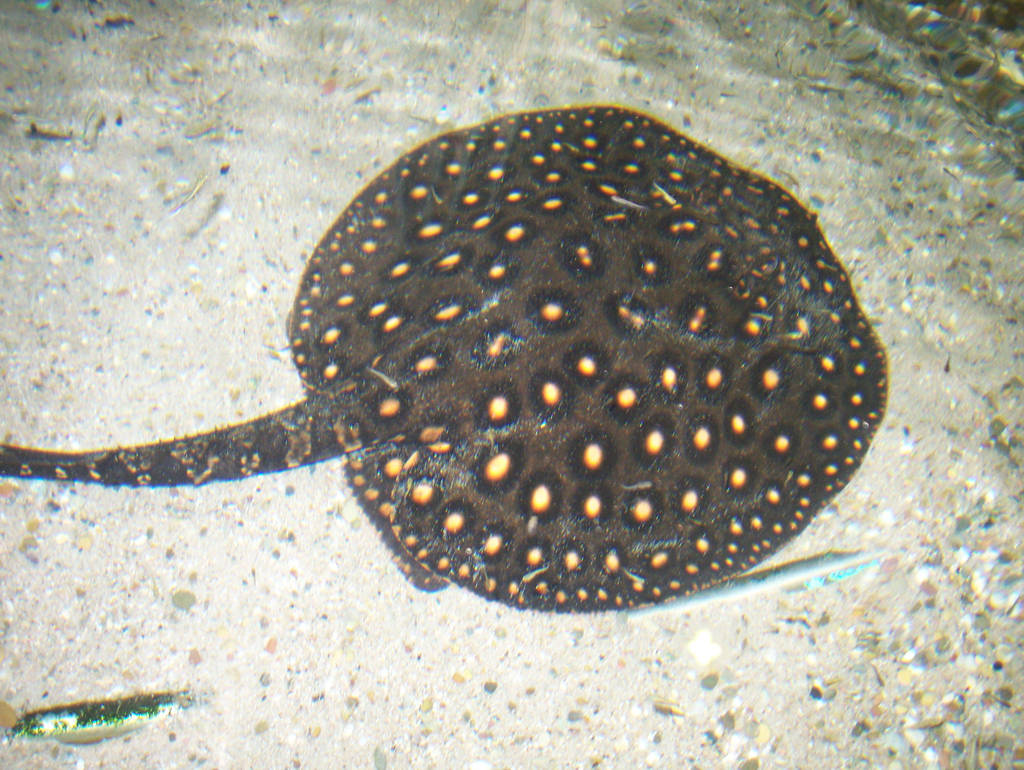
Ocellate river stingray have an oval disc shaped body. The upper surface is grayish-brown with yellow -orange spots trimmed in black and the under side is white. Their eyes positioned on the dorsal surface of their head , Give them nearly 360 degrees field of vision. Their sense of smell is well-developed and around their mouth they have electrical sensors called ampullae of of lorenzeni that sense the natural electrical charges of potential prey and predators.
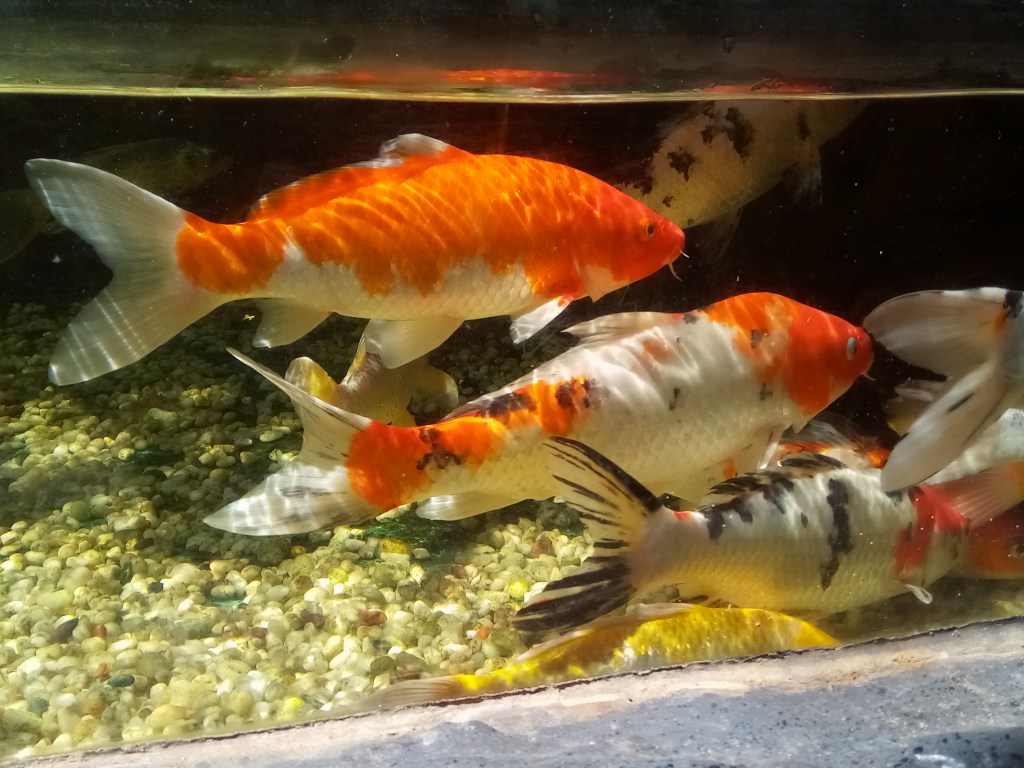
KOI FISH
Koi fish originated from Japan and represent love and friendship in Japanese culture. They can reach up to 3 feet in length. Their colors depend on the variety. They can be black, blue ,red, cream and yellow in color. They are commonly covered with different spots.
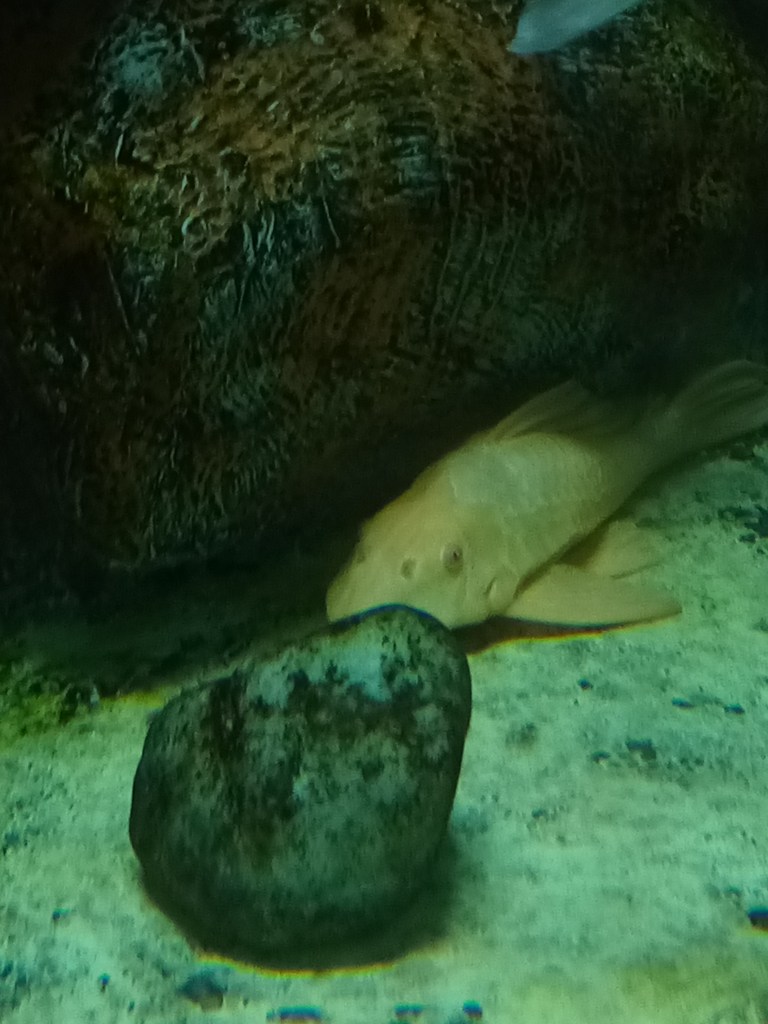
Also known as salfin armored catfish, is an invasive species of catfish native to south Americas’ amazon river basin. They are herbivore and sometimes consume algae.
Marine organisms
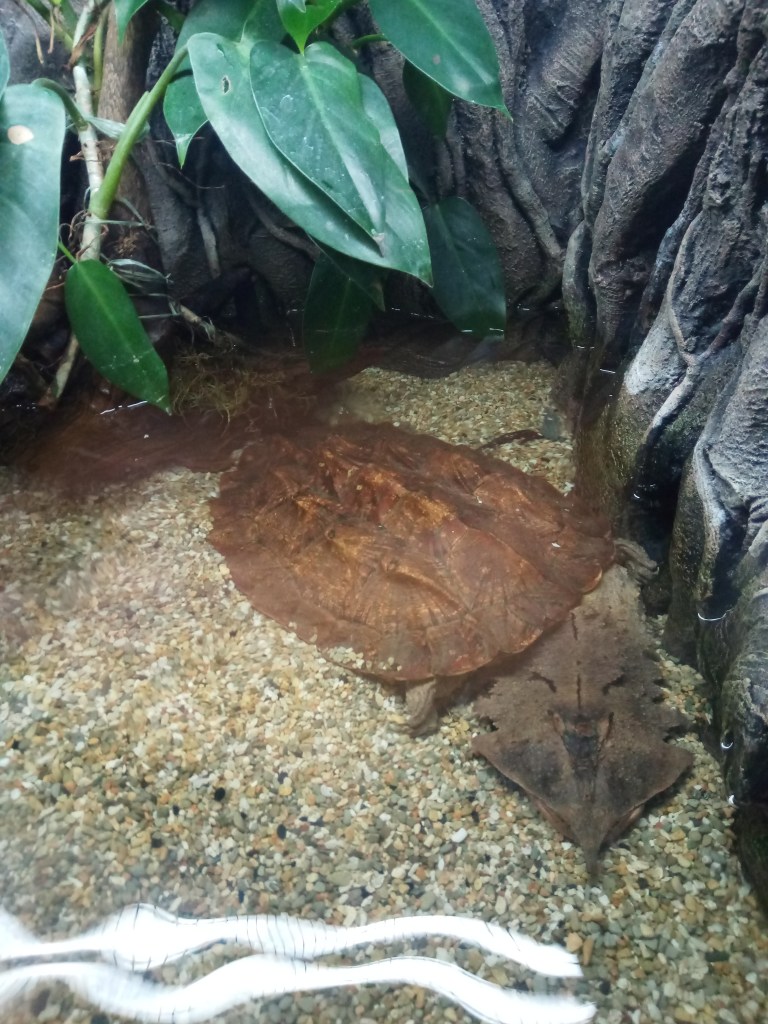
The matamata turtle’s neck is wide, flattened and covered with warts, skin fringes and ridges. Its small eyes are nested at the sides of its large, flattened triangular head, and it has a wide mouth and long, tubular snout. That snout is used like a snorkel, minimizing the turtle’s movement as only the tip of the snout needs to emerge from the water for the turtle to breathe.
Matamatas have extremely poor eyesight, but a number of other sensory aids allow them to detect movements in the murky substrates they inhabit. Fleshy flaps extend from the sides of their triangular head, as well as along the neck, which is covered with bumps and ridges. Those skin flaps help camouflage the turtle and contain nerves that respond to stimuli, such as the vibrations caused by the nearby movement of potential prey.
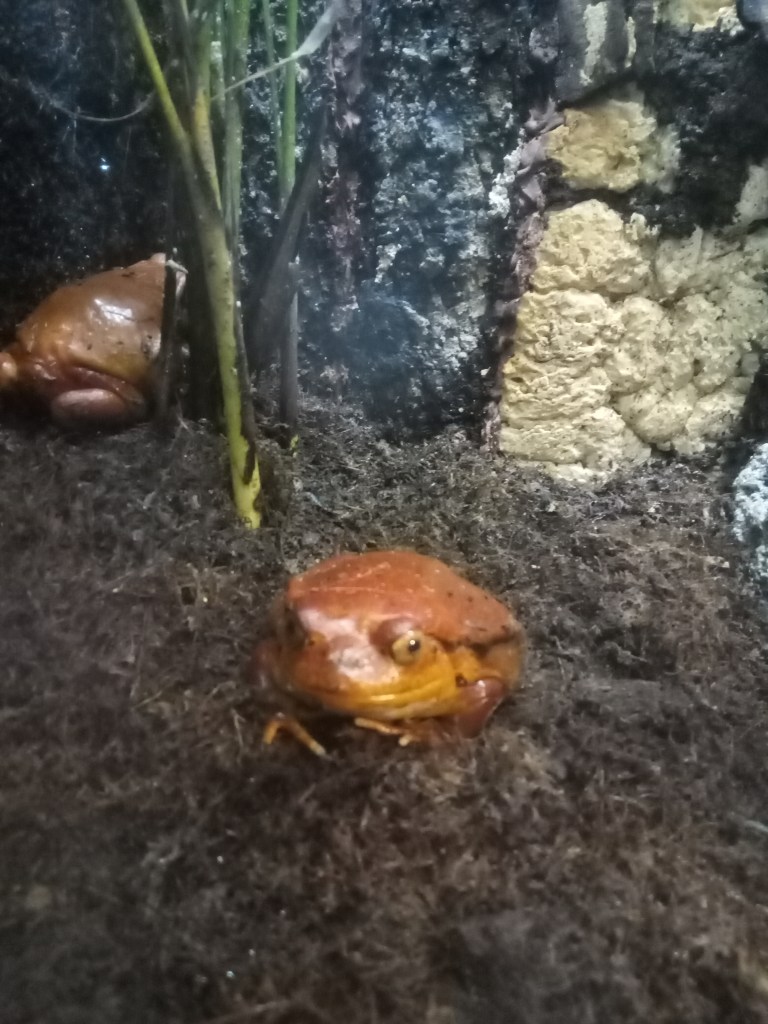
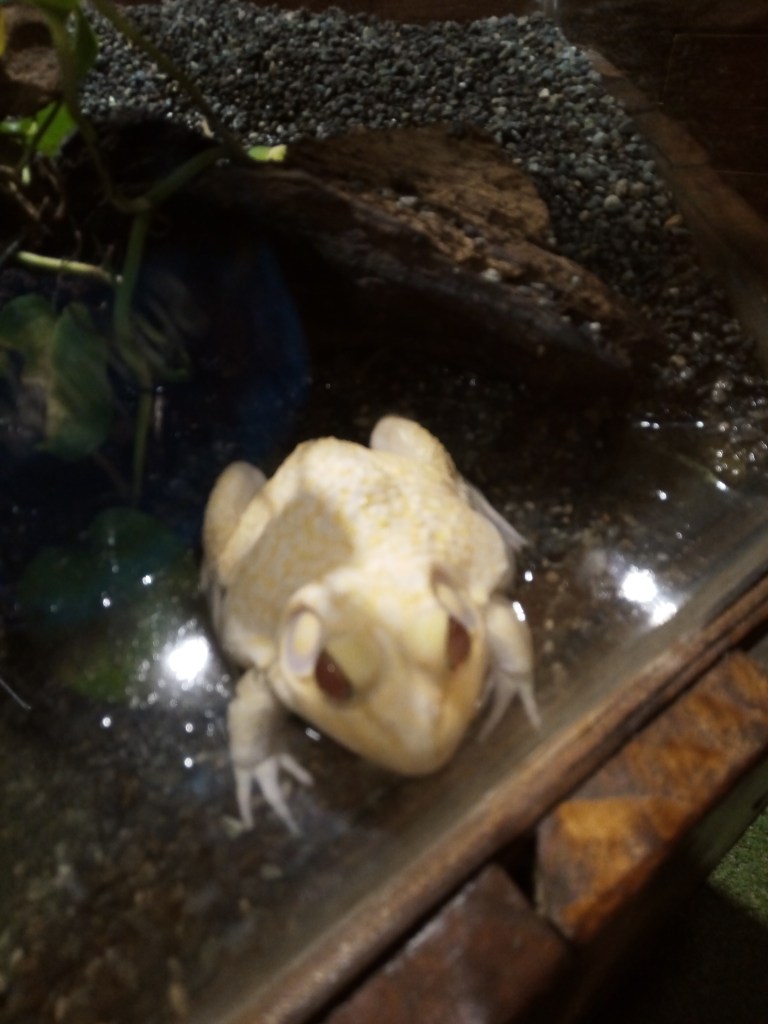
The tomato frog makes a hardy pet provided the frog suppliesand basic care needs, provided here, are met. It is the largest member of the Microhylid group of frogs. Its native habitat is on the island of Madagascar off the east coast of Africa, where it inhabits forests and fields that receive heavy rainfall during the late spring and summer. Adult female tomato frogs exhibit an attractive, bright red-orange color, the origin of the frog’s common name.
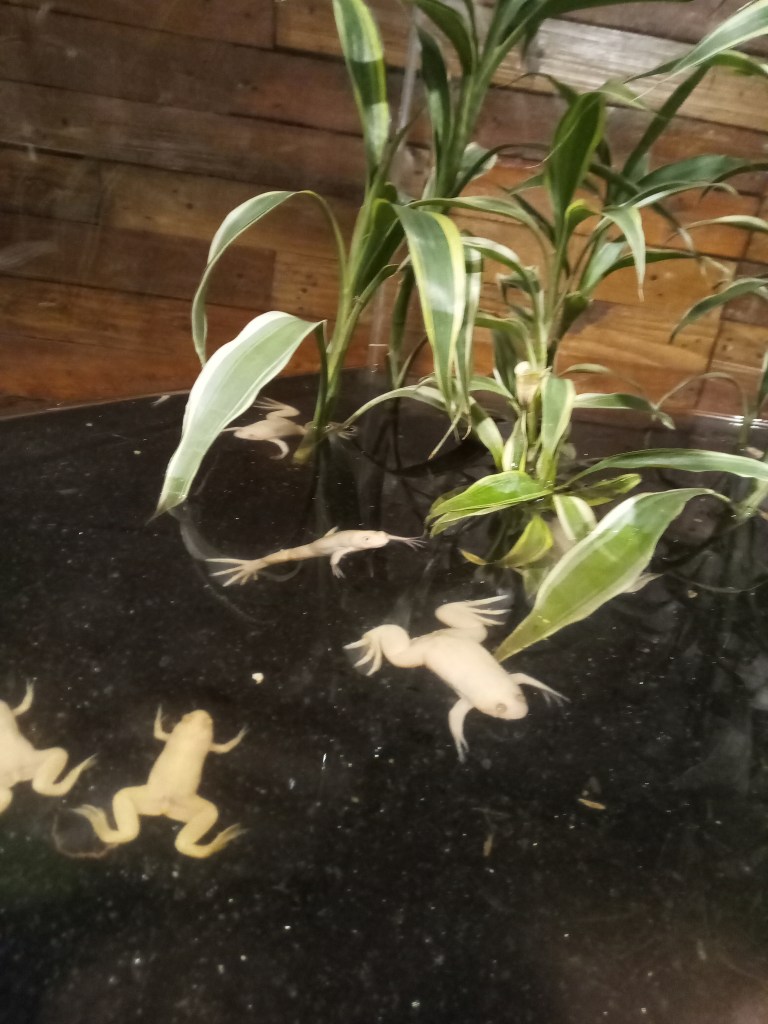
African clawed frog (Xenopus laevis) is a kind of South African water frog of Xenopus family. This is one of few frogs that are kept in tanks. It has become one of the favorite ones among aquarists due to clawed frogs plainness in terms of keeping, breeding and its unusualness.
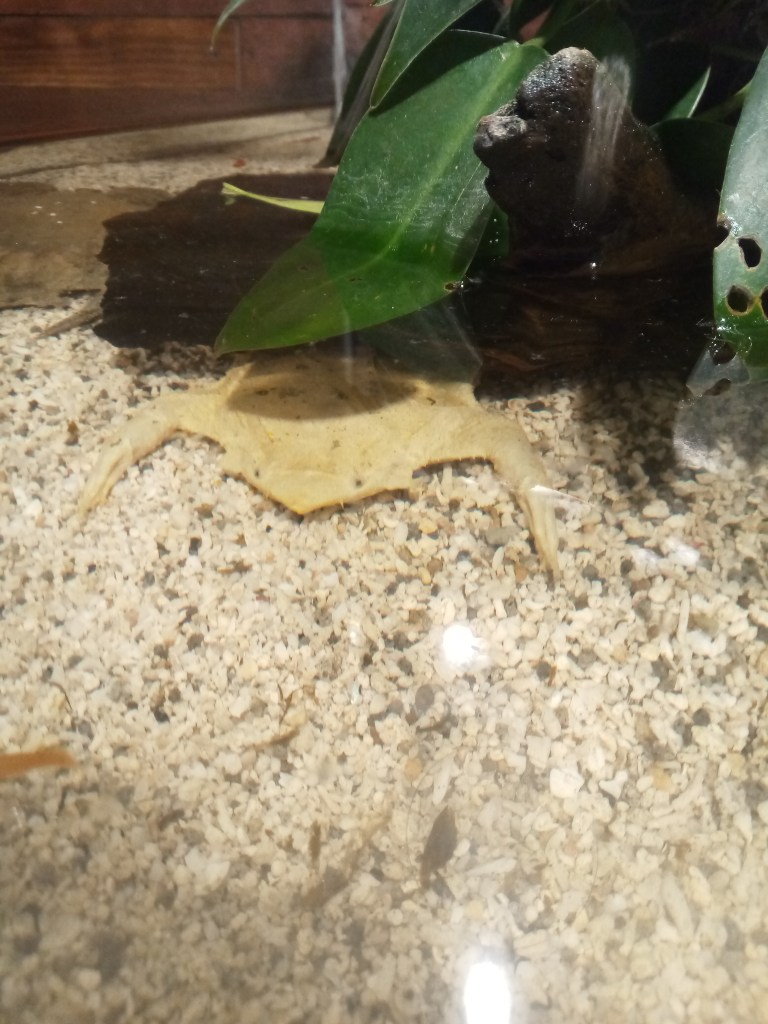
The Surinam toad is a surprise from the first glance. Motionless in the water, you’d think it was a leaf or a rock, and that’s the idea! Its body is flat, its head is triangular, and its nostrils are at the end of two narrow tubes on its snout. The toad’s skin is pointy, rough, and colored a mottled brown, tan, or olive. Each finger on its forelimbs has a tiny, star-shaped tip, leading to the animal’s other name: star-fingered toad. Yet despite its unique appearance, the Surinam toad’s reproductive strategy is what sets this amphibian apart. It’s freaky, but amazing, too.
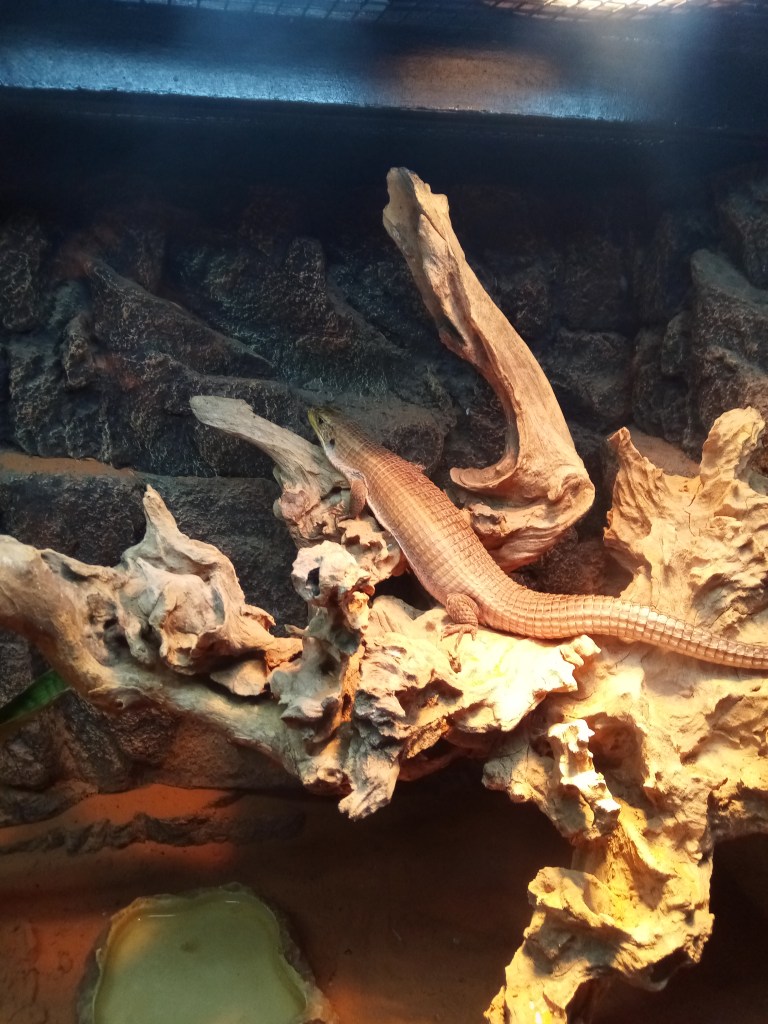
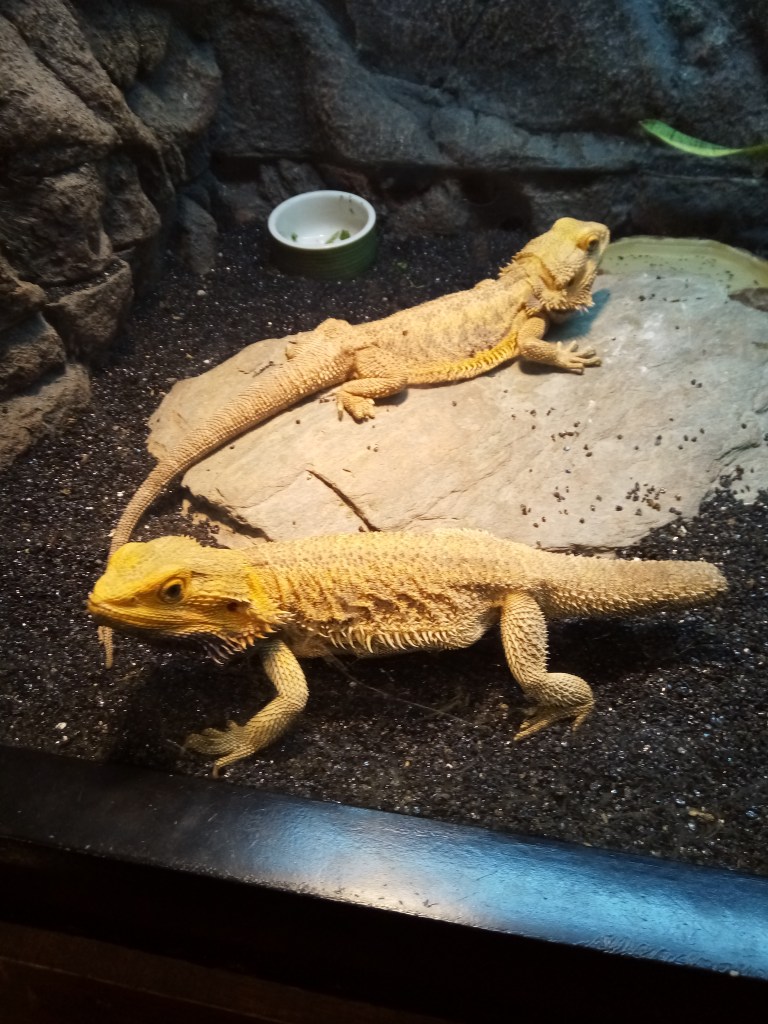
Giant plated lizard (English), reuse-pantserakkedis (Afrikaans), uxamu (isiZulu), chamu (siSwati)
The giant plated lizard is the second largest lizard species found in South Africa, after the monitor lizard, and they are known to attain a body length of approximately 690 mm. Giant plated lizards are rupicolous, which means that they live among rocky outcrops, mostly on the upper slopes of granite hills. Giant plated lizards are shy and hard to approach – an individual will often retreat into rock crevices at the slightest disturbance and inflate its body, effectively wedging itself into the crevice and making it very difficult for anything to dislodge it. They occur in most southern African countries including Angola, Botswana, Malawi, Mozambique, Namibia, South Africa, Swaziland, Zimbabwe and Zambia. They are widespread and generally common in their natural range and no conservation actions are recommended.
Metro Manila
Soil Characteristic
Manila used to be a submerged area at one time in the geologic past. Intermittent volcanic activities followed and after which, volcanic materials were deposited. During the intervening period of inactivity, transported sediments were deposited on top of previously-laid volcanic materials. Thus, alternating beds and transported sediments became a characteristic feature of the geologic deposit. [13]- [14] Available geologic information about Metro Manila and the areas surrounding it indicated that Quaternary volcanic rocks generally known as the Guadalupe Formation, locally known as “adobe”, is the predominant rock unit underlying it. It consists of the Lower Alat Conglomerate Member and the Upper Diliman Tuff Member. The Diliman Tuff includes the tuff sequence in the Angat-Novaliches region and along Pasig River in the vicinity of Guadalupe, Makati and extending to some areas of Manila and most of Quezon City. Its upper surface ascends gently from Manila Bay outward Caloocan, Makati, Mandaluyong and Quezon City in which rock exposures can be found. The entire sequence is almost flat lying, thin to thickly bedded and consist of medium to coarse grained vitric tuffs and welded volcanic breccias with subordinate amounts of tuffaceous medium to coarse-grained sandstone, silty and clayey tuffs and tuffaceous conglomerates. These types of tuff are distinguished from their textual characteristics. Silty and clayey tuffs are very fine-grained while conglomerates contain coarse particles. In some areas, this rock formation is overlain by minimal alluvial deposits which tend to thicken towards Manila Bay. The high elevation (Eq. 2) (Eq. 3) (Eq. 1) 6International Journal of GEOMATE, areas are generally composed of dense sands and tuffaceous clay, while the low-lying areas are generally composed of loose sands and soft clays.
Hydrologic Characteristics
For the period 2001 to 2005, the EMB monitored a total of 196 inland surface waters: 192 rivers and four lakes. Of the 196 monitored water bodies, only 127 met the required four sampling events and were included in the analysis. Data on the status of water quality contained in the EMB National Water Quality Status Report using each of the parameters mentioned earlier are presented below. Dissolved oxygen (DO) Dissolved oxygen (DO) is the amount of oxygen that is dissolved in water and is essential to healthy streams and lakes. Dissolved Oxygen is one of the water quality parameters used as an indication of how polluted the water is and how well the water can support aquatic plant and animal life. A higher dissolved oxygen level usually indicates better water quality. If dissolved oxygen levels are too low, some fish and other organisms may not be able to survive (Stevens Institute of Technology, The Global Water Sampling Project 2007). Generally, the national standard for DO is 5 mg/L, except for water bodies classified as Class D and Class SD, with standards set at 3 mg/L and 2 mg/L, respectively (PEM, 2004). Low DO levels may be found in areas where organic material (dead plant and animal matter) is decaying, as bacteria require oxygen to decompose organic waste, thus, depleting the water of oxygen. Areas near sewage discharges sometimes have low DO levels due to this effect (Stevens Institute of Technology, The Global Water Sampling Project 2007). Furthermore, low concentrations of DO, when combined with the presence of toxic substances may lead to stress responses in aquatic ecosystems because the toxicity of certain elements, such as zinc, lead and copper, is increased by low concentrations of dissolved oxygen (Enderlein et al., 1996). GREENPEACE | The state of water in the Philippines 15 The EMB report on monitoring of DO levels shows that approximately 47 percent of 127 water bodies are found to have good water quality and could be tapped as sources for water supply. Forty percent recorded fair water quality, which means that the water bodies partially comply with the designated water quality criteria but do not support its intended beneficial use in 50 to 97.99 percent of sampling instances. Thirteen percent, however, showed poor water quality. These include the four rivers in NCR – San Juan River, Parañaque River, Navotas-Malabon-TullahanTenejeros River, and Pasig River; Guadalupe River in Region VII; Meycauayan and Bocaue Rivers in Region III; and Calapan River in Region IV-B. Data in the PEM 2004 issue states, however, that as of 2004, 15 rivers nationwide have dissolved-oxygen at or below zero, indicating that they are “dead” during the dry months. In addition, Environment Secretary Angelo Reyes also mentioned in a published news article early this year (2007) that as many as 50 of the 421 rivers in the country can be considered “biologically dead” (Gaylican, C, PDI, 2007). Biochemical oxygen demand (BOD) Biochemical oxygen demand, or BOD, measures the amount of oxygen consumed by microorganisms in decomposing organic matter in stream water. BOD parameter measures the organic strength of wastes in water; the greater the BOD, the greater the degree of organic pollution. BOD also directly affects the amount of dissolved oxygen in rivers and streams. The greater the BOD, the more rapidly oxygen is depleted in the stream. This means less oxygen is available to higher forms of aquatic life. The consequences of high BOD are similar as those for low dissolved oxygen: aquatic organisms become stressed, suffocate, and die. National standards for BOD vary from 1 to 15 mg/L based on beneficial water usage and classification. For this parameter, 47 percent of the 107 water bodies with at least four sampling events were found to show good water quality, 41 percent have fair water quality, while the remaining 12 percent have poor water quality with the highest BOD recorded at the downstream section of Bulua Creek in Region X. According to the report, this indicates high organic discharges from manufacturing facilities, runoff from livestock production, and discharges from households. The EMB Report further mentions that there are three rivers that recorded zero percent compliance of all samples with the BOD criterion. GREENPEACE | The state of water in the Philippines 16 Total suspended solids (TSS) TSS parameter measures the amount of undissolved solid particles in water such as level of siltation, decaying plant and animal matter, and domestic and industrial wastes. For water bodies used for water supply the standard for TSS is 25 mg/L for Class AA and 50 mg/L for Class A (EMB, 2006). Out of forty-six Class A/AA water bodies monitored for TSS, about 23 percent have good water quality, 69 percent have fair water quality, and eight percent have high TSS levels, indicating poor water quality. Among those with poor water quality are: Pampanga River in Region III, Bicol River in Region V, and Iponan and Alubijid Rivers in Region X. According to EMB, the presence of a high percentage of TSS confirms the effects of sand and gravel quarrying activities and runoff from denuded forests and agricultural lands. Total dissolved solids (TDS) TDS is generally used as an aggregate indicator of the presence of a broad array of chemical contaminants. The primary sources of TDS in receiving waters are agricultural runoff, leaching of soil contamination, and point source water pollution from industrial or domestic sewage (EMB, 2006). For water bodies classified as Class AA, the standard for TDS levels is expected not to exceed 500 mg/L and 1,000 mg/L for both Class A and D waters. Of the 30 monitored Class AA/A water bodies, three have two classifications; hence, a total of 33 classifications. About 55 percent have good TDS levels, which mean that these water bodies comply with set water quality criteria based on their intended beneficial use. Forty-two percent have fair TDS levels and only Marilao River has poor water quality, with annual average TDS levels ranging from 1,785 to 3,265 mg/L. Heavy metals EMB reports that heavy metals are parameters included in monitoring activities only for receiving water bodies where mining, electroplating, tanning, and other similar activities are operating. Among inland surface waters, only Meycauayan, Bocaue, and Marilao Rivers have been monitored. Annual average monitoring results of Meycauayan River in 2001, 2003, and 2004 show an excess (based on minimum criteria and value) for chromium (2001), cadmium (2001), and lead (2004) (EMB, 2006). Monitoring results of Bocaue River indicate that the River met the criteria for chromium, copper, and cadmium. However, it showed high lead concentrations in all its sampling stations particularly during the dry season in 2004. The Marilao River showed similar excess (relative to existing standards) in lead and cadmium in its Class A and C waters. Potential sources of heavy metals are tanneries, electroplating, and other similar industries located in nearby areas. GREENPEACE | The state of water in the Philippines 17 The Marilao River was the subject of two Greenpeace reports in 1996 (“Lead Overload: Lead Battery Waste Trade and Recycling in the Philippines) and, again, in 2003 (Toxics Reloaded: Revisiting the Impacts of Lead Battery Waste Trade and Recycling in the Philippines) for lead contamination. Effluent samples taken from a discharge canal of the Philippine Recyclers, Incorporated (PRI) had lead levels of 190 ppm or 3,800 times higher than the 0.05 ppm or mg/L standard set for lead in effluent from old and existing industries. Continuous monitoring of mercury and cyanide levels in rivers and creeks traversing Small Scale Mining Areas in some parts of Eastern Mindanao is being undertaken by the MGB and EMB. MGB Region XI reported in December 2003 that mercury levels were found to be beyond the 0.002 mg/L criterion in filtered water samples in some monitoring locations in Naboc River. Likewise, cyanide was detected in the mixing zone at Sitio Deptro, Upper Ulip (EMB, 2006).
Ecological issues
Water pollution
Further information: Water supply and sanitation in the Philippines
The Pasig River in Manila, one of the world’s most polluted rivers.]
Although water resources have become scarce in some regions and seasons, the Philippines as a whole has more than enough surface and groundwater. However, neglecting to have a coherent environmental policy has led to the contamination of 58% of the groundwater in the Philippines.[ The main source of pollution is untreated domestic and industrial wastewater.[1] Only one third of Philippine river systems are considered suitable for public water supply.[2]
It is estimated that in 2025, water availability will be marginal in most major cities and in 8 of the 19 major river basins.[ Besides severe health concerns, water pollution also leads to problems in the fishing and tourism industries. the national government recognized the problem and since 2004 has sought to introduce sustainable water resources development management
Only 5% of the total population is connected to a sewer network. The vast majority uses flush toilets connected to septic tanks. Since sludge treatment and disposal facilities are rare, most effluents are discharged without treatment. According to the Asian Development Bank, the Pasig River is one of the world’s most polluted rivers.[In March 2008, Manila Water announced that a wastewater treatment plant will be constructed in Taguig.[7] The first Philippine constructed wetland serving about 700 households was completed in 2006 in a peri-urban area of Bayawan City which has been used to resettle families that lived along the coast in informal settlements and had no access to safe water supply and sanitation facilities.
Main article: Deforestation in the Philippines
Over the course of the 20th century the forest cover of the Philippines dropped from 70 percent down to 20 percent. In total, 46 species are endangered, and 4 were already eradicated completely. 3.2 percent of total rainforest has been left. Based on an analysis of land use pattern maps and a road map an estimated 9.8 million ha of forests were lost in the Philippines from 1934 to 1988. Illegal logging occurs in the Philippines [ and intensify flood damage in some areas.[12]
According to scholar Jessica Mathews, short-sighted policies by the Filipino government have contributed to the high rate of deforestation:
The government regularly granted logging concessions of less than ten years. Since it takes 30–35 years for a second-growth forest to mature, loggers had no incentive to replant. Compounding the error, flat royalties encouraged the loggers to remove only the most valuable species. A horrendous 40 percent of the harvestable lumber never left the forests but, having been damaged in the logging, rotted or was burned in place. The unsurprising result of these and related policies is that out of 17 million hectares of closed forests that flourished early in the century only 1.2 million remain today.[13]
Air pollution
Due to industrial waste and automobiles, Manila suffers from air pollution,[14][15] affecting 98% of the population.[16] Annually, the air pollution causes more than 4,000 deaths. Ermita is Manila’s most air polluted district due to open dump sites and industrial waste.[17] According to a report in 2003, The Pasig River is one of the most polluted rivers in the world with 150 tons of domestic waste and 75 tons of industrial waste dumped daily.[18]
Climate change
Two of the most pressing environmental issues impacting the Philippines is climate change. As an island country located in the Southeast Asia Pacific region, the Philippines is extremely vulnerable to the impacts of climate change. Some of these impacts include increased frequency and severity of natural disasters, sea level rise, extreme rainfall, global warming, resource shortages, and environmental degradation.[19] All of these impacts together have greatly affected the Philippines’ agriculture, sex, water, infrastructure, human health, and coastal ecosystems and they are projected to continue having devastating damages to the economy and society of the Philippines.[19]
Impacts of global warming
Climate history
Due to its geographical location, climate, and topography, the Philippines is ranked third on the World Risk Index for highest disaster risk and exposure to natural disasters.[20] 16 of its provinces, including Manila, Benguet, and Batanes, are included in the top 50 most vulnerable places in Southeast Asia, with Manila being ranked 7th.[21] Four cities in the Philippines, Manila, San Jose, Roxas, and Cotaboato, are included in the top 10 cities most vulnerable to sea level rise in the East Asia and Pacific region.[22] The country is consistently at risk from severe natural hazards including typhoons, floods, landslides, and drought.[22] It is located within a region that experiences the highest rate of typhoons in the world, averaging 20 typhoons annually, with about 7-9 that actually make landfall.[19] In 2009, the Philippines had the third highest number of casualties from natural disasters with the second most victims.[23]
Climate change has had and will continue to have drastic effects on the climate of the Philippines. From 1951-2010, the Philippines saw its average temperature rise by 0.65 degrees Celsius, with fewer recorded cold nights and more hot days.[19] Since the 1970s, the number of typhoons during the El Niño season has increased.[19] The Philippines has not only seen 0.15 meters of sea level rise since 1940, but also seen 0.6 to 1 degree Celsius increase in sea surface temperatures since 1910, and 0.09 degree c increase in ocean temperatures since 1950.[19][22] During the time period from 1990 to 2006, the Philippines experienced a number of record-breaking weather events, including the strongest typhoon (wind speeds), the most destructive typhoons (damages), the deadliest storm (casualties), and the typhoon with the highest 24 hour rainfall on record.[22]
Super typhoon Haiyan
Main Article: Typhoon Haiyan
At 04:40 on November 8th, 2013, Super Typhoon Haiyan, also known locally as “Yolanda”, made landfall in the Philippines in the Guiuan municipality.[23] The category 5 typhoon continued to travel west, making landfall in several municipalities, and ultimately devastated enormous stretches of the Philippines islands of Samar, Leyte, Cebu, and the Visaya archipelago.[20] Tied for being the strongest landfalling tropical typhoon on record, Typhoon Haiyan had wind speeds of over 300 km/h (almost 190 mph) which triggered major storm surges that wreaked havoc on many places in the country.[20] Leaving over 6,300 dead, 28,688 injured, and 1062 missing, Typhoon Haiyan is the deadliest typhoon on record in the Philippines.[24] More than 16 million people were affected by the storm, suffering from the storm surge, flash floods, landslides, and extreme winds and rainfall that took lives, destroyed homes, and devastated many.[23][24] Typhoon Haiyan crucially damaged over 1.1 million houses across the country and displaced over 4.1 million people.[23][24] According to the NDRRMC, the storm cost the Philippines about 3.64 billion US dollars.[24]
Future projections
Future projections for the current trajectory of climate change predict that global warming is likely to exceed 3degrees Celsius, potentially 4degrees, by 2060.[22] Specifically in the Philippines, average temperatures are “virtually certain” to see an increase of 1.8 to 2.2 degrees Celsius.[22] This temperature increase will stratify the local climate and cause the wet and dry seasons to be wetter and drier, respectively.[19] Most areas in the Philippines will see reduced rainfall from March to May, while Luzon and Visayas will see increased heavy rainfall.[19] There will also be an increase in: the number of days that exceed 35degree C; that have less than 2.5 mm of rainfall; and that have more than 300mm of rainfall.[19] Additionally, climate change will continue to increase the intensity of typhoons and tropical storms.[22]Sea levels around the Philippines are projected to rise 0.48 to 0.65 meters by 2100, which exceeds the global average for rates of sea level rise.[25] Combined with sea level rise, this stratification into more extreme seasons and climates increases the frequency and severity of storm surge, floods, landslides, and droughts. These exacerbate risks to agriculture, energy, water, infrastructure, human health, and coastal ecosystems.
references: Manila Ocean Park Placards and displays
Manila Ocean Park | Attractions – Oceanarium. (n.d.). Retrieved from http://www.manilaoceanpark.com/main/mobile/attractions/id/1/Oceanarium
“Manila Ocean Park.” Wikipedia, Wikimedia Foundation, 4 Dec. 2018, en.wikipedia.org/wiki/Manila_Ocean_Park.
], PINT [ http://www.pint.com. “The Indo-Pacific Tarpon Megalops Cyprinoides.” Tropical Fish Hobbyist Magazine, http://www.tfhmagazine.com/details/articles/the-indopacific-tarpon-megalops-cyprinoides.htm.
Matamata turtle. (2018, July 11). Retrieved March 20, 2019, from https://nationalzoo.si.edu/animals/matamata-turtle
Tomato Frog Care Sheet. (n.d.). Retrieved March 20, 2019, from http://www.reptilesmagazine.com/Care-Sheets/Frogs-Amphibians/Tomato-Frog/
Dungca, J. (2017, April). Soil bearing capacity reference for Metro Manila, Philippines. Retrieved March 20, 2019, from https://www.researchgate.net/publication/313396893_Soil_bearing_capacity_reference_for_Metro_Manila_Philippine
African clawed frog (Xenopus laevis). (March). Retrieved March 20, 2019, from https://meethepet.com/african-clawed-frog/Giant plated lizard. (n.d.). Retrieved March 20, 2019, from https://www.sanbi.org/animal-of-the-week/giant-plated-lizard/
Surinam Toad. (n.d.). Retrieved March 20, 2019, from https://animals.sandiegozoo.org/animals/surinam-toad
Greenpeace Southeast Asia. (2007, October). The state of water resources in the Philippines. Retrieved March 20, 2019, from https://www.greenpeace.org/seasia/ph/Global/seasia/report/2007/10/the-state-of-water-in-the-phil.pdf
Environmental issues in the Philippines. (2019, February 28). Retrieved March 20, 2019, from https://en.wikipedia.org/wiki/Environmental_issues_in_the_Philippines
 Guimboy's Blog